Context & memory·terminal·MIT
hunch
Chips above the prompt for the session's card, agents and memory, and shorter replies.
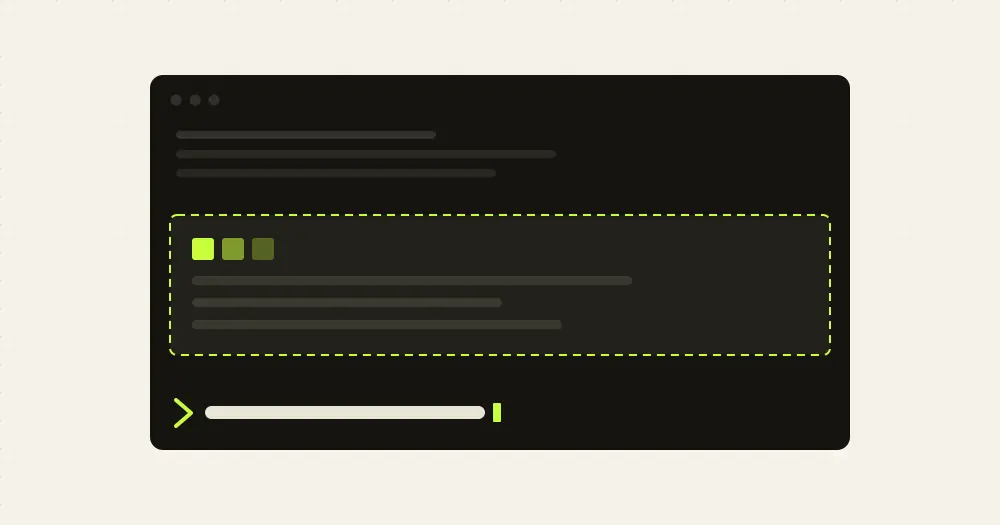
hunch’s mod, tend, puts a row of chips above the Claude Code prompt for what the session has settled (intent, approach, facts, open questions, planned skills), the agents it started and the memory files it touched, and redraws long replies short. Each chip opens its list in a pane.
hunch is the bench of Saad Shahd’s moo.md: experimental skills and features tried there before they move into hope or sound, or get dropped. Expect tend to change between updates. This page covers the mod, not the skills.
What it does
- The card. tend asks Claude to end its replies with a small JSON block: intent, shape (the approach), your goal and done-check copied word for word, facts, open questions with options, planned skills, and where to look to check the work. The block is hidden from the transcript and feeds the chips. Questions Claude asks in plain prose are listed too, and your next prompt closes them all.
- Click to cite. A fact puts
fact 2:in the prompt, an option putsq1: <option>, a planned skill puts its slash command. You finish the line and send it. Skills that have run get a check mark, and after a turn that moves the plan, the next one’s command becomes the prompt suggestion. - Agents. Every subagent the main session starts is asked to end on its own card: intent, a one-line outcome, facts. The agents chip lists them, running or done. Opening one shows what it was asked, its outcome, the files it wrote and pages it fetched, its facts, and the full report one click further.
- Memory. The memory chip lists the steering files the session created, changed or deleted (CLAUDE.md, CLAUDE.local.md, AGENTS.md, files under
.claude/, the auto-memory folder,~/.claude/CLAUDE.md), then the ones it loaded or read. Each can be viewed in the pane, opened in your editor, or turned into achange <file>:request. - Short replies. A reply with more than about two lines of prose (code and tables don’t count) is redrawn as a shorter rewrite once the turn ends, unless your prompt asked to explain or walk through something.
/longswitches between full and short. Claude’s context keeps the full reply. - An edit gate. After one of hope’s deciding skills runs, such as
hope:intentorhope:shape, Claude’s edits in the main session are refused until a card quotes your goal and how you will tell it worked, in your own words. A prompt that starts with “go” lifts it. - Compaction. When the session compacts, the whole card is added after the summary, so it survives word for word.
/cards reopens the pane where you left it. Arrow keys move through the chips and Enter acts on one; typing goes on to the prompt.
Install
Needs Claude Code 2.1.287 or later and an interactive terminal for the band.
claude plugin marketplace add saadshahd/moo.md
claude plugin install [email protected]
The chips appear once there is something to show. The card is fed by the skills of hope, which ask for it; without hope, the agents, questions and memory chips and the short replies still work.
How it works
- What it adds to Claude’s input. Once a card exists, each prompt you type carries an instruction to update it if the turn changes it. Every Agent prompt from the main session gets a card request appended, and when an agent returns, Claude is told the result sits in your agents pane and to answer in one line or with an empty card. These instructions and the cards Claude writes back add tokens to your turns.
- Haiku calls. Each short reply is a separate
model.completecall to Haiku, with the long reply as input and up to 2,048 tokens out, so it spends tokens on top of the turn. If the rewrite hits that cap, the reply stays long. No rewrites run inclaude -por the Agent SDK. - What it reads. The session transcript (your prompts, replies, tool calls and each agent’s messages), which memory files the context loaded,
git ls-filesin the project, the auto-memory folder and file modification times. It reads a file’s contents only when you open it in the pane. The agents list refreshes every two seconds. - What it stores. Claude Code’s plugin store keeps, per session, the skills that ran, the agent rows, open questions, the gate, the memory list with its baseline timestamps and the last 40 short replies. It keeps the newest sessions that fit in 3 MiB and deletes the rest. The card is read back from the transcript, not stored.
- Network and programs. Apart from the Haiku calls, the module makes no network requests. It runs
git, and when you click a file or link it runs VS Code’scode -gfor source files oropenfor the rest.
Limitations
- The author documents no surface. The band and pane use an interactive element that, per the code, the mobile app and the editor’s panel lack, so they get no tend band.
openis a macOS command. On other systems, clicking a web page or a file that is neither Markdown nor source code may end in acan't opentoast.
Similar Claude Mods
jevmem-pane
What jevmem recalled, what its guard decided and what it saved, beside the chat.
lcm
Every message kept in SQLite, old context compacted into summaries Claude can expand.
commonplace
Your notes as a wiki Claude maintains: ingest papers, ask questions, keep it healthy.
context-inspector
What fills the context window, what is waste and what compaction kept, with advice.
Popular Claude Mods
The whole directory →RemCTL
Today's Apple Reminders above the prompt, plus tools for Claude to manage them.
cache-tax
Keeps the prompt cache warm during breaks and stops a cold send once with its price.
plan-progress
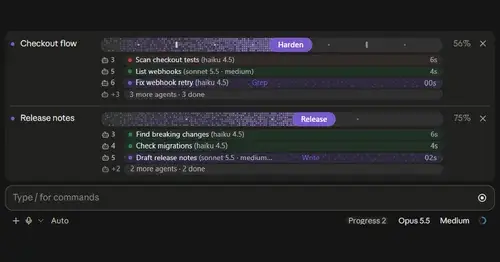
Claude's plan as live progress bars above the prompt, with subagents under each task.
replay-theater
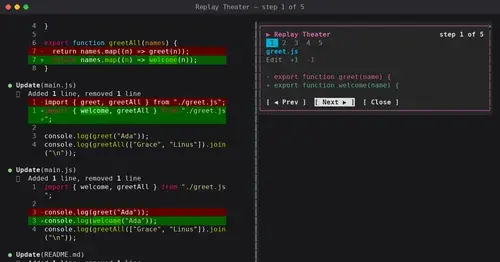
A /replay pane that walks through the last turn's file edits, one diff per step.